A garden inspired by nature
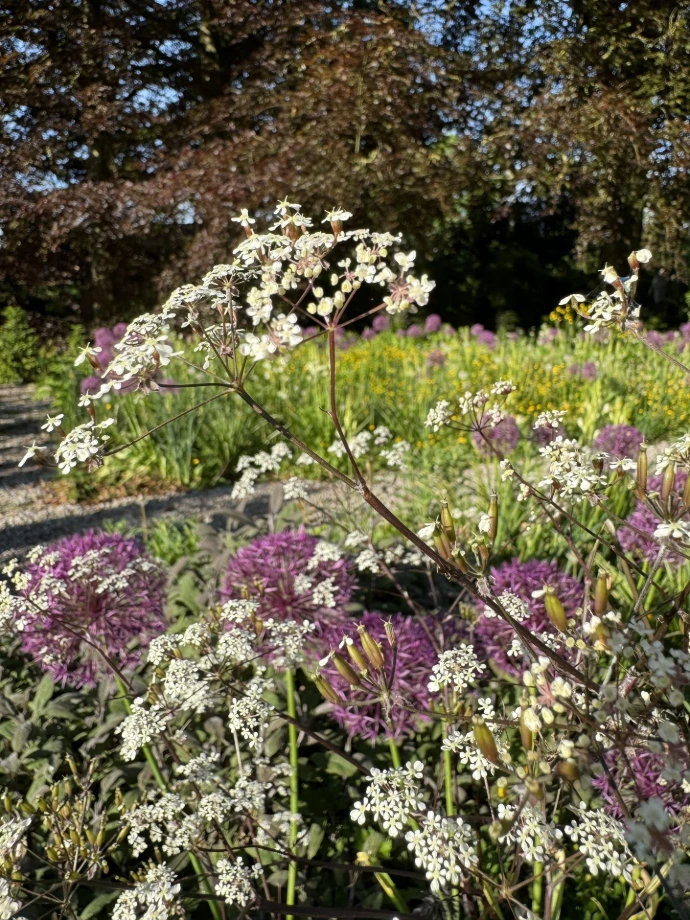
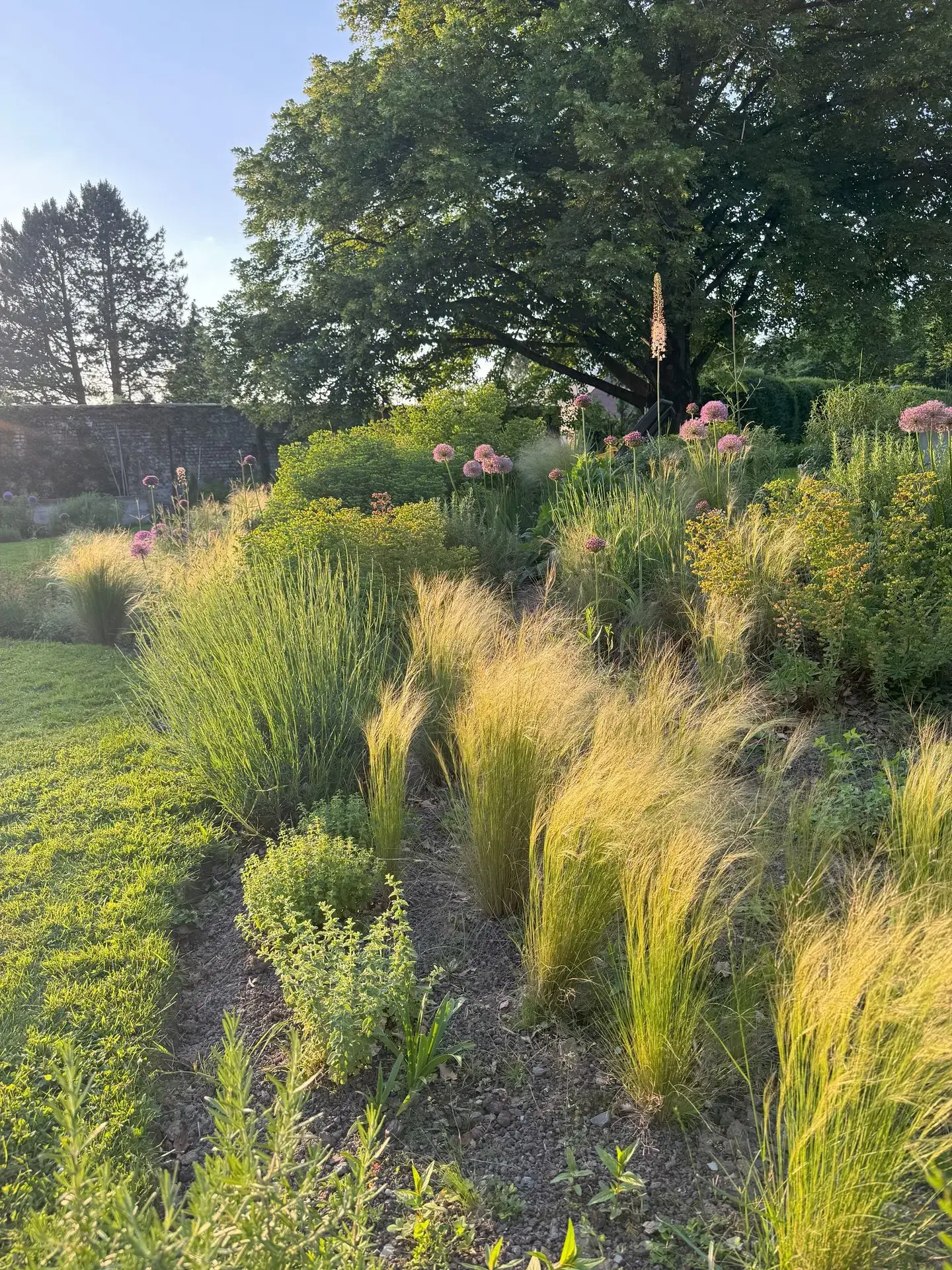
Inspired by natural meadows, the naturalist garden relies on a controlled composition that allows for movement and spontaneity.
Plants are selected for their ability to evolve together, season after season.
Perennials and grasses: a structuring alliance
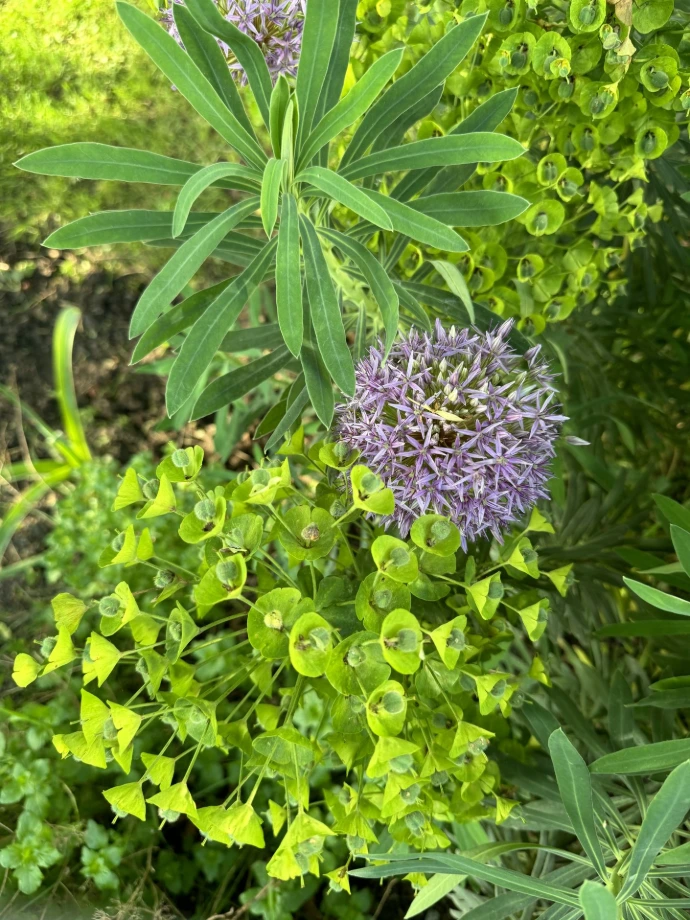
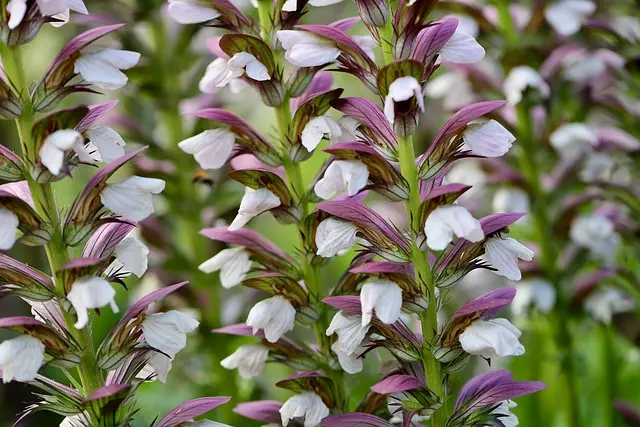
Perennials ensure flowering and diversity, while grasses providerhythm, movement, and volume, even in winter. Together, they form a readable and sustainable garden.
A contemporary landscape movement
The naturalist garden is part of a movement that emerged at the end of the 20th century, in reaction to very formal and mineral gardens. It values:
- thediversity of plants
- theadaptation to the site
- thesimplicity in maintenance
Unique moments
You focus on the big day, let us focus on the layout of your garden.
Exposure
sun to partial shade depending on the species
Ideal exposure and conditions
This type of garden enhances existing soils and limits heavy interventions.
Soil
well-drained, sometimes slightly moist
Climate
This type of garden enhances existing soils and limits heavy interventions.
The colours of a garden are never fixed.
They vibrate with the light, transform through the seasons, and reveal the full depth of the landscape.
Thoughtfully designed, the plant palette creates a lasting harmony between plants, materials, and architecture.
An enchanting dance of perennials and grasses awaits you. In this perennial garden, it is the grasses that take centre stage, adding a unique dimension to each space. Each season brings its own palette of colours: from the soft blooms of spring to the vibrant effervescence of autumn. The Wild Feather atmosphere pays tribute to nature, weaving a visual poem where each plant plays its own melody in the botanical orchestra.
Immerse yourself in this breathtaking world all year round, exploring an enchanting tapestry of perennials and grasses. It is an experience of colours, textures, and shapes that will awaken all your senses. This light-demanding atmosphere can easily bring a touch of modernity to your perennial garden and reveal its full aesthetic richness.
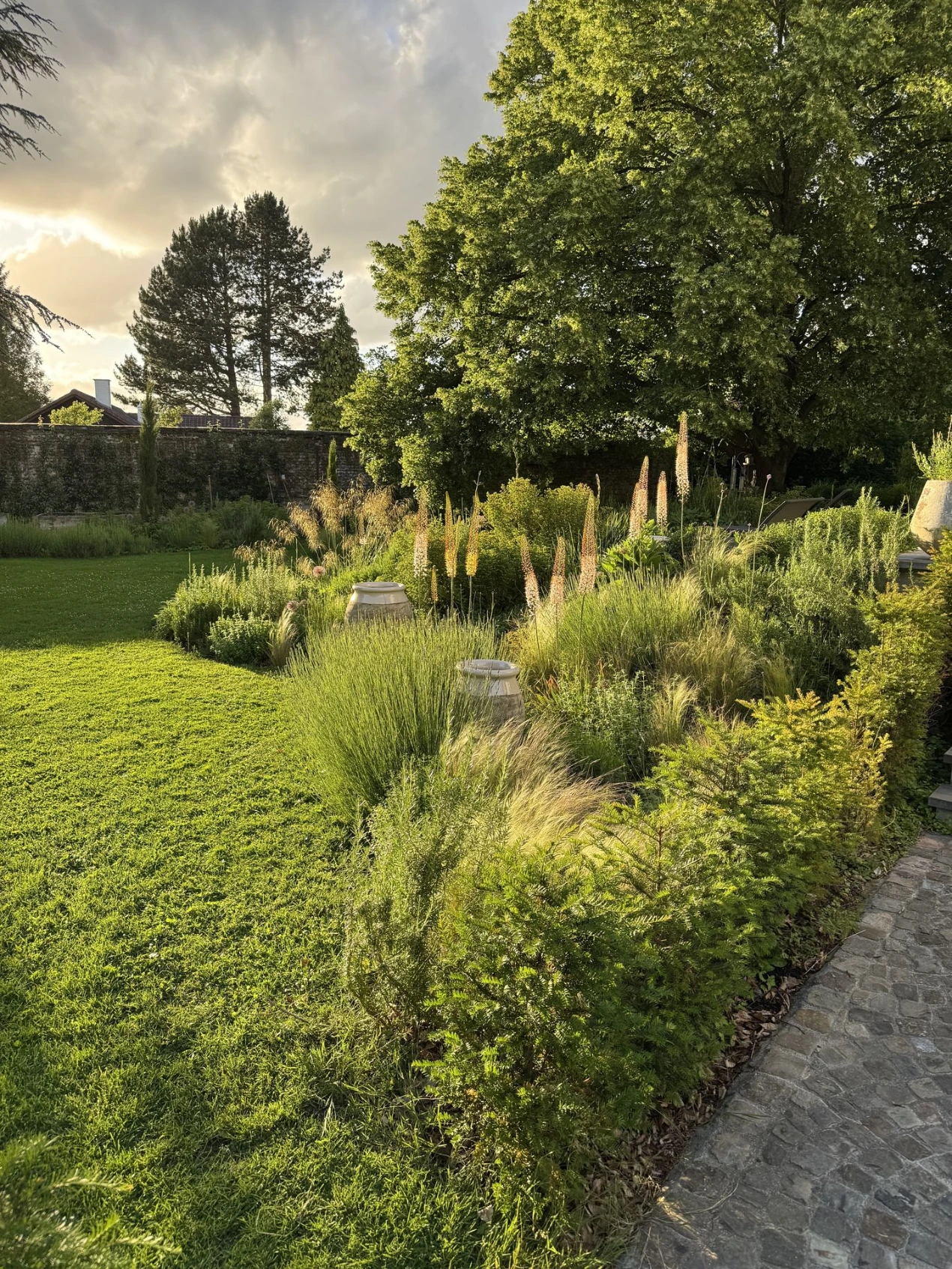
Perennials and grasses compose a living, flexible, and structured landscape.
Their rhythm evolves through the seasons, capturing light and wind.
Even in winter, their silhouettes and brown hues extend the garden's presence, adding texture and depth.
Garden in permanent motion
Frequently Asked Questions
Yes, once established. Maintenance focuses on annual pruning and some seasonal adjustments.
Very well. The contrast between architectural lines and free vegetation is often sought after.
Yes. The key is the selection of plants and planting density.
It promotes biodiversity and limits inputs, provided that suitable plants are chosen.