A garden designed for winter
In Belgium, winter represents a significant part of the year.
The winter garden anticipates this season by highlighting the shapes, textures and colours visible without foliage.
Bark, structures and grasses
Some species become spectacular in winter:
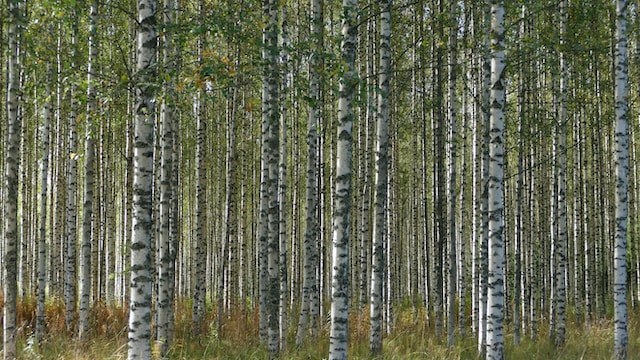
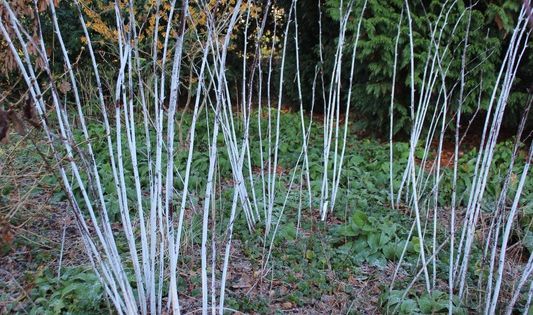
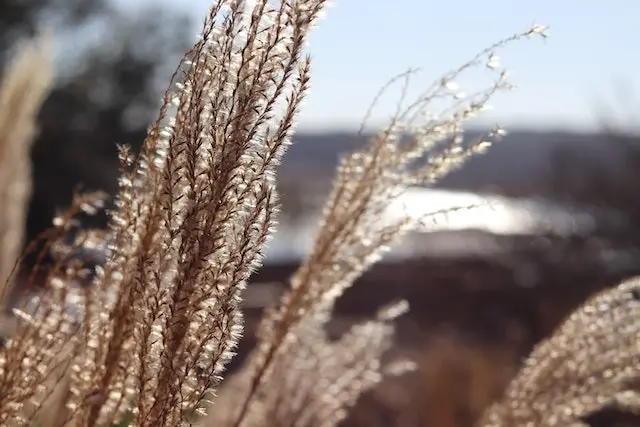
dogwoods (Cornus ‘Midwinter Fire’), silver birches, grasses with golden or coppery hues.
These elements ensure a strong presence when the rest of the garden is at rest.
A garden readable all year round
The winter garden does not replace the other seasons; it complements them.
It guarantees a permanent structure and a lasting aesthetic, even in the dormant period.
Exposure
Sun in partial shade to reveal winter colours
Climate
Adapted to cold and damp winters
Soil
Well-drained according to the species
Ideal exposure and conditions
This type of garden enhances existing soils and limits heavy interventions.
The colours of the winter garden rely on contrasts.
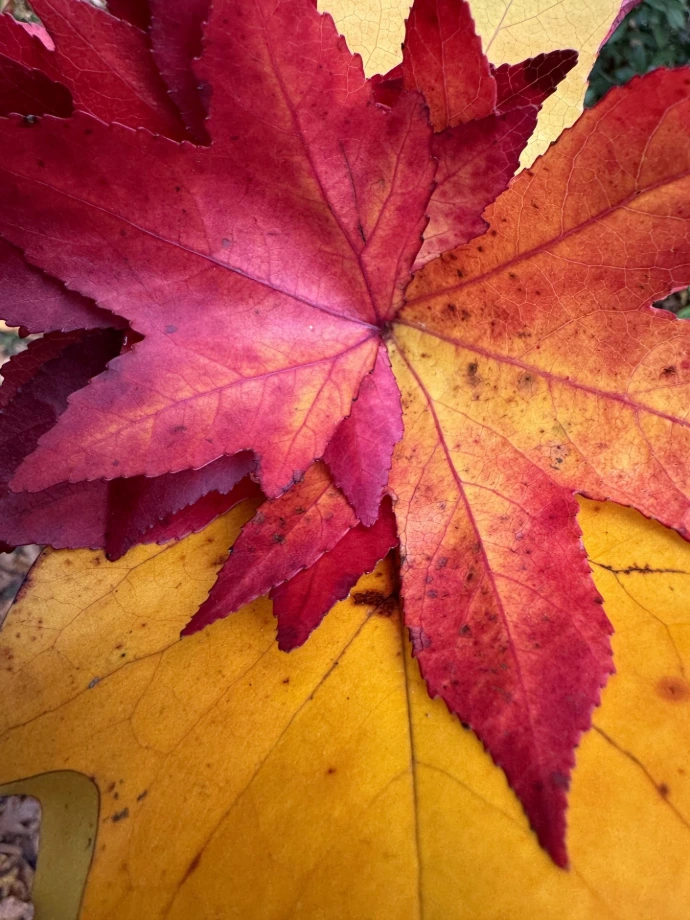
Reds, oranges and yellows of the bark, bright whites of the birches, brown and golden tones of the grasses create a subtle yet expressive palette.
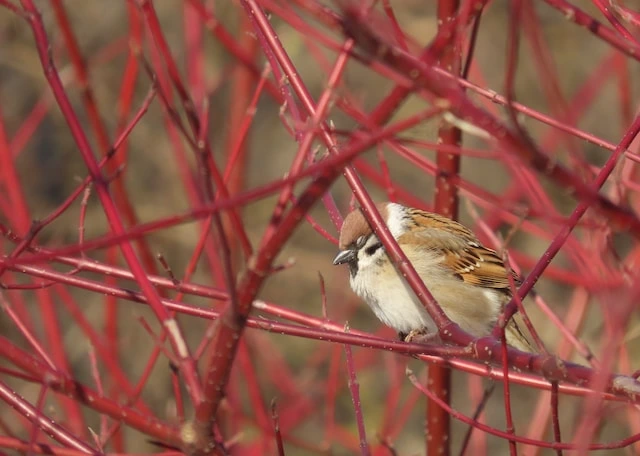
The silhouettes take shape, the bark glows and the grasses capture the low light.
Even without flowering, the garden remains present, structured and vibrant.
An essential approach to prolong the pleasure of the garden all year round.
A garden that lives in winter.
Frequently Asked Questions
Yes, by choosing plants with decorative bark, evergreens and grasses.
Cornus, birches, grasses, structural evergreens and perennials with marked silhouettes.
Yes, this approach can fit into almost any garden.
No, it mainly relies on good design from the outset.