A garden inspired by the south
The Mediterranean garden is inspired by the landscapes of the Mediterranean basin, where heat, stone, and vegetation structure the space.
It favours simple forms and a clear reading.
Mediterranean plants and draining soils
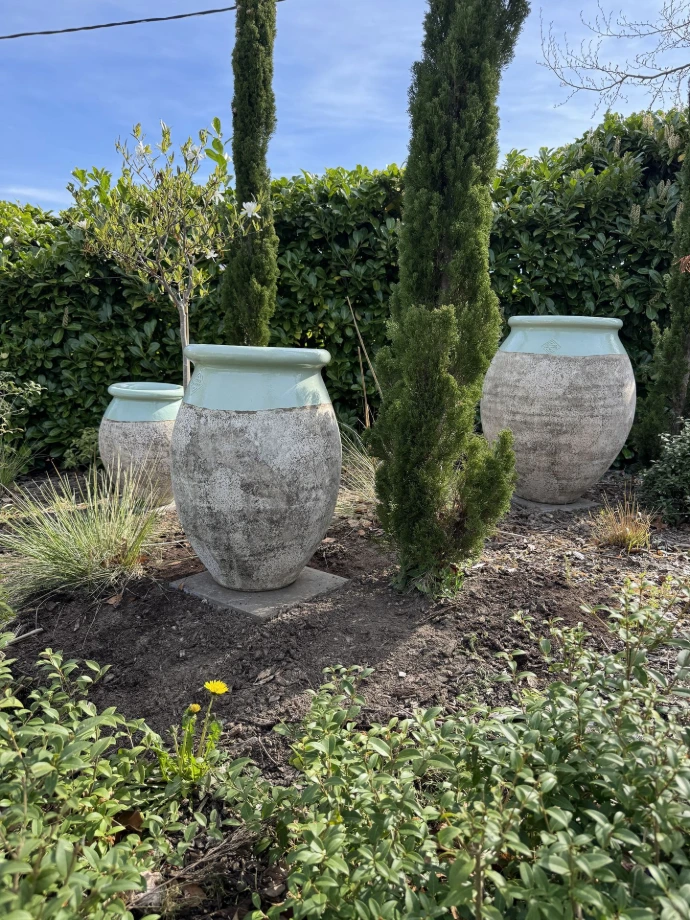
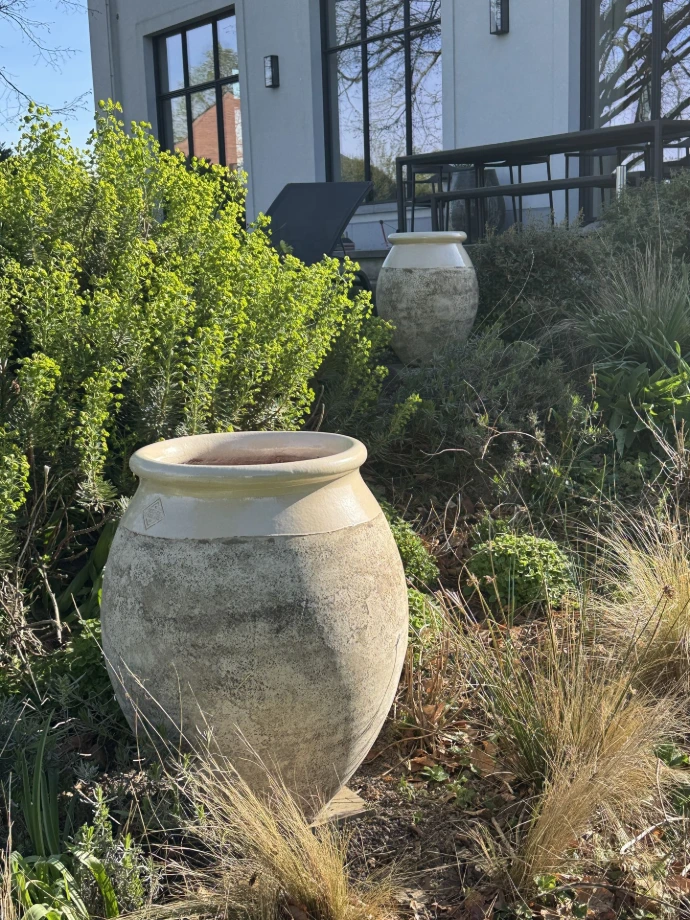
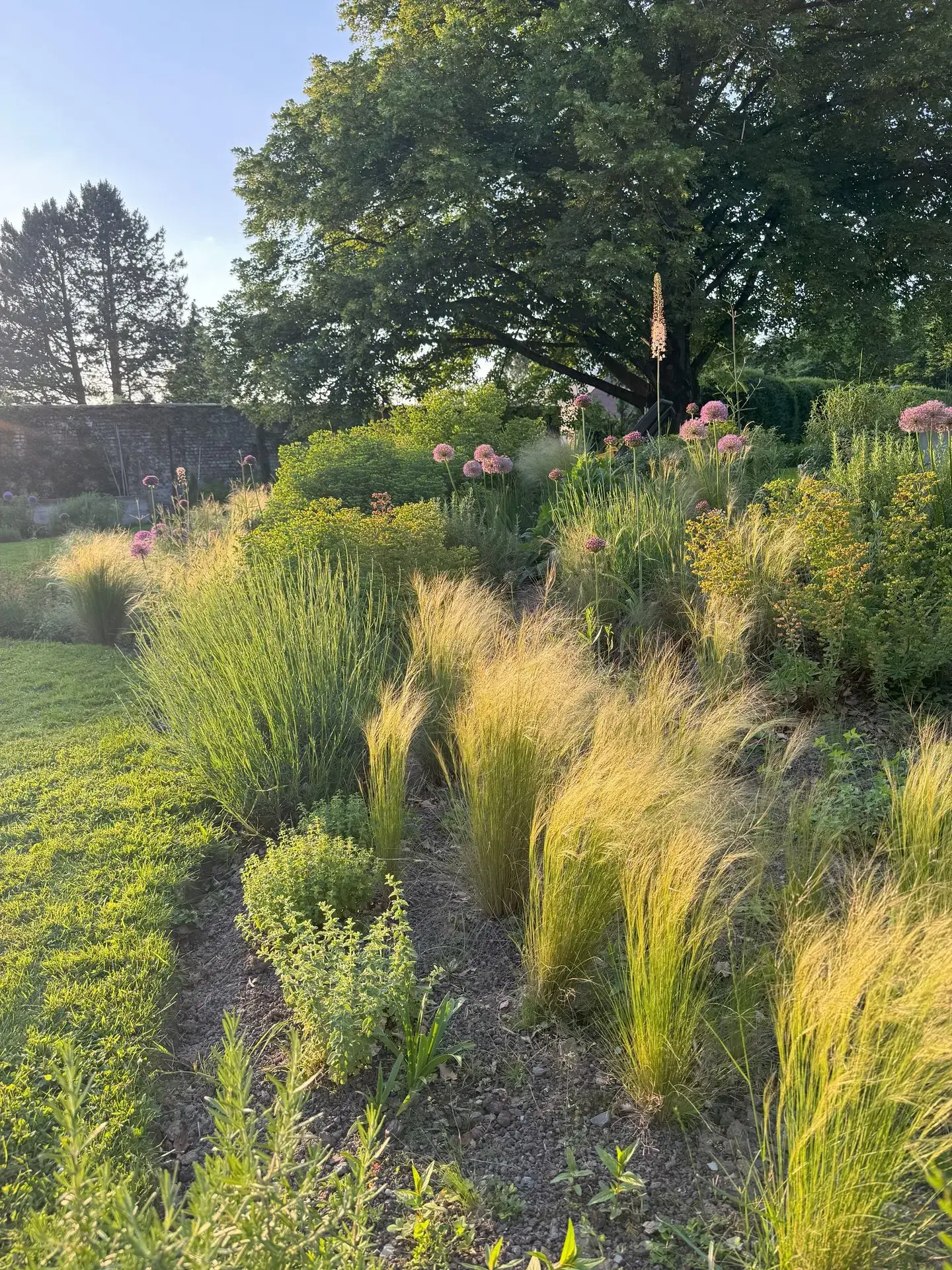
Olive trees, lavenders, rosemaries, cypresses, or grasses adapt to dry and filtering soils.
The choice of plants helps to limit watering while ensuring a strong plant presence.
A sustainable and contemporary style
Highly sought after today, the dry garden meets current climatic constraints.
It combines aesthetics, sobriety, and low maintenance.
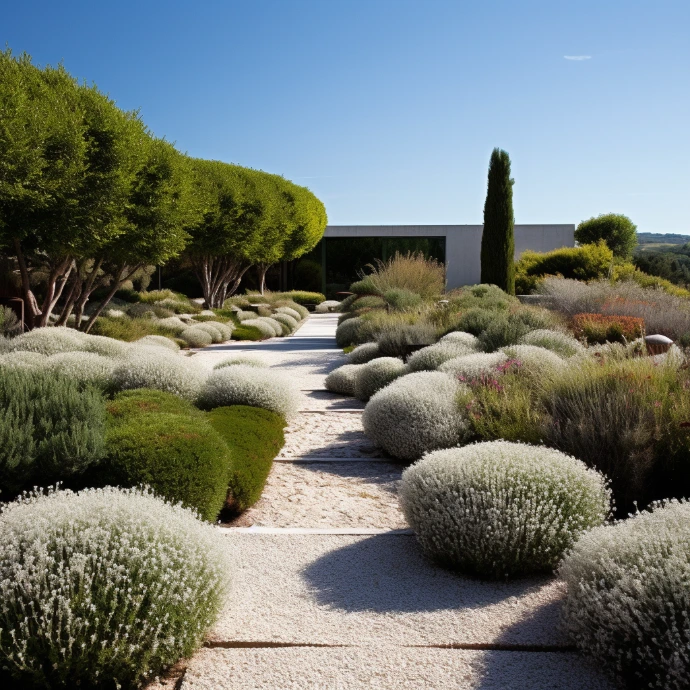
Exposure
Full sun
Climate
Adapted to dry periods and high heat
Soil
Very draining, poor to stony
Ideal exposure and conditions
This type of garden enhances existing soils and limits heavy interventions.
The colours of the Mediterranean garden are bright and contrasting.
They vibrate with the light, transform through the seasons, and reveal the full depth of the landscape.
Thoughtfully designed, the plant palette creates a lasting harmony between plants, materials, and architecture.
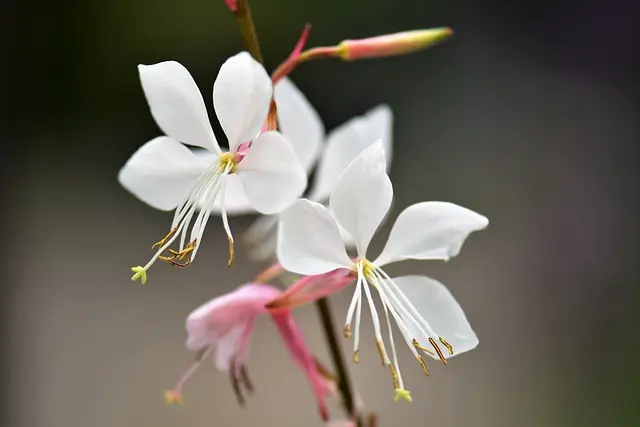
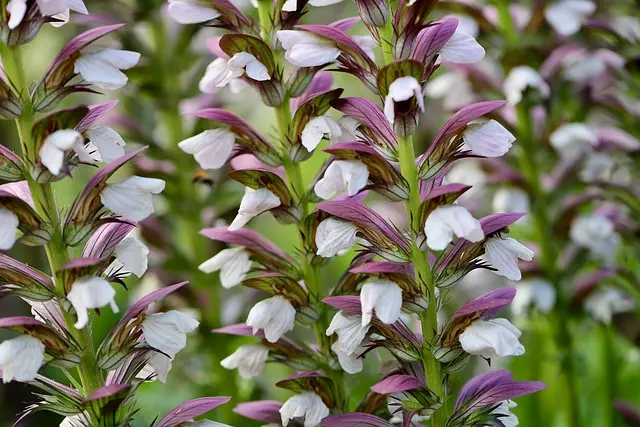
Grey and silver greens, purple, white, or yellow blooms, associated with light materials like stone or gravel.
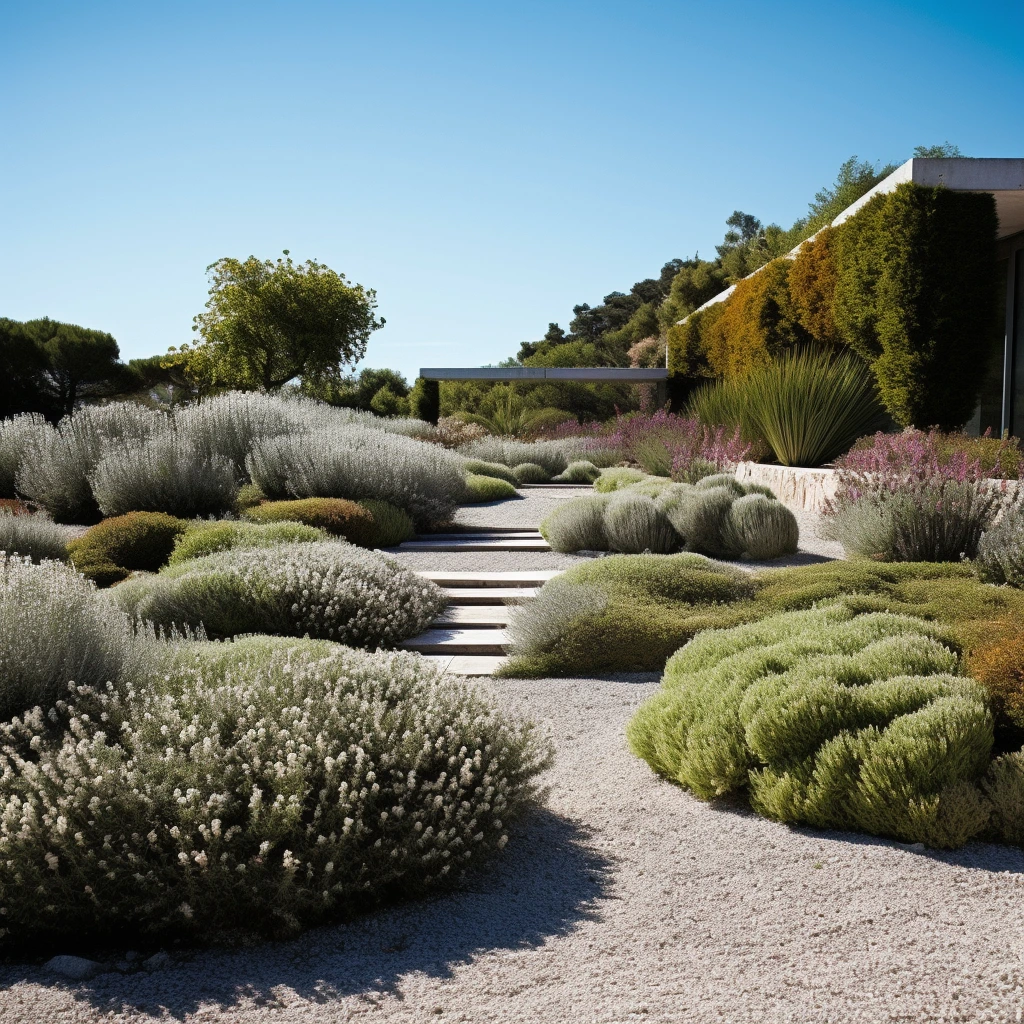
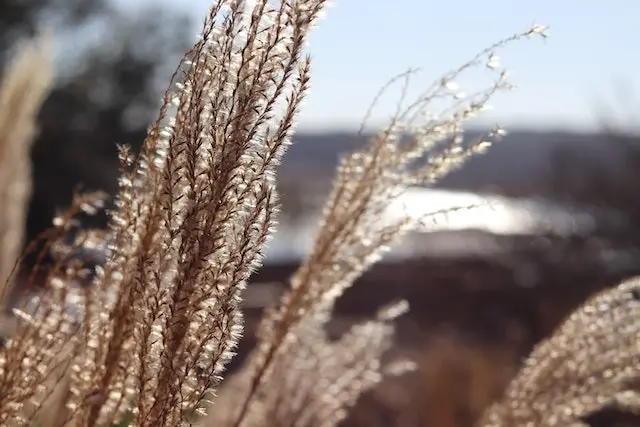
The light reveals the silver foliage and mineral textures.
The plants adapt to the soil and climate, offering a stable and durable garden.
A warm atmosphere, designed to last.
A resilient and bright garden.

Frequently Asked Questions
Yes, by adapting the choice of plants and ensuring very well-drained soil.
No, it is designed to limit watering needs.
Yes. The key is the selection of plants and planting density.
Olive trees, lavenders, rosemary, sages, cypresses, and grasses.