A garden inspired by the undergrowth
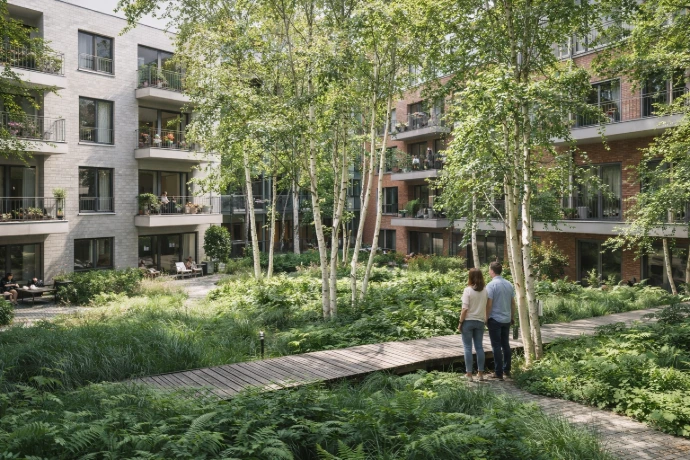
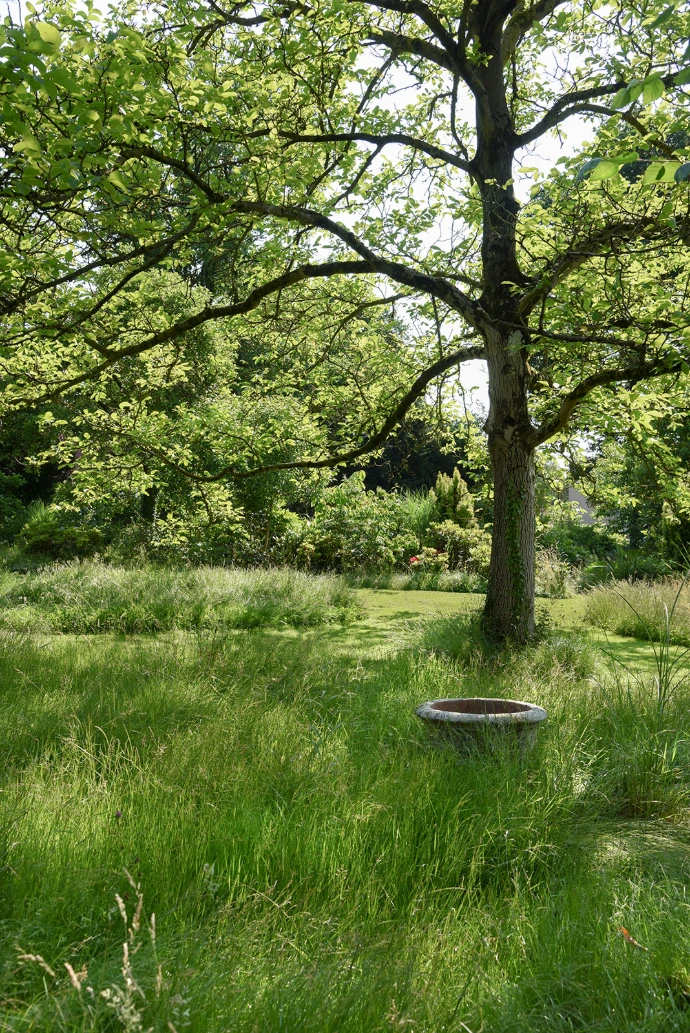
The forest garden replicates the structure of natural forests, with several layers of vegetation: trees, shrubs, and ground cover.
It creates a rich, stable, and evolving environment.
An effective plant stratification
Canopy, undergrowth, and low plants work together to protect the soil, retain moisture, and limit temperature fluctuations.
Ferns, hostas, shade perennials, and small trees structure this balance.
A response to climate change
The forest garden provides shade, reduces evaporation, and improves thermal comfort.
It also promotes biodiversity and limits the need for watering and maintenance.
Exposure
Shade to partial shade
Climate
Adapted to seasonal variations, with good tolerance to moisture
Soil
Rich in organic matter, cool to moist
Ideal exposure and conditions
This type of garden enhances existing soils and limits heavy interventions.
The colours of the forest garden evolve in a palette of deep, natural greens.
The play of light, filtered by the trees, reveals textures and creates a soothing atmosphere.
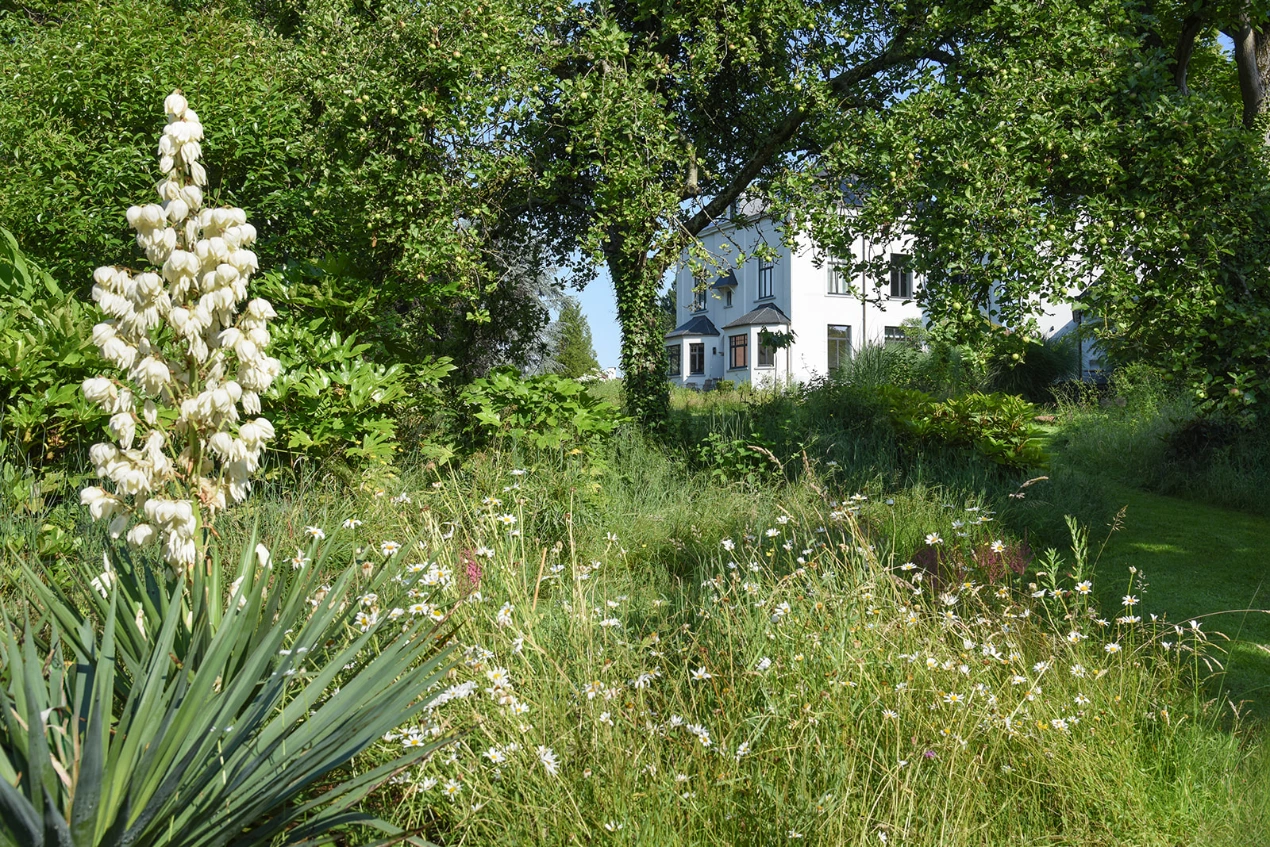
The forest garden envelops the space and filters the light.
The different plant layers create a fresh and protective atmosphere.
A living garden, designed to last and adapt to climate changes.
A soothing plant refuge.
Frequently Asked Questions
No, once established, it becomes relatively autonomous, with limited maintenance.
Yes, the Belgian climate is particularly favourable for shade and woodland gardens.
Yes, by playing with plant layers and density, it is possible to create a forest-like atmosphere even in a small area.
Ferns, hostas, hydrangeas, shade trees, woodland perennials.