A garden inspired by arid landscapes
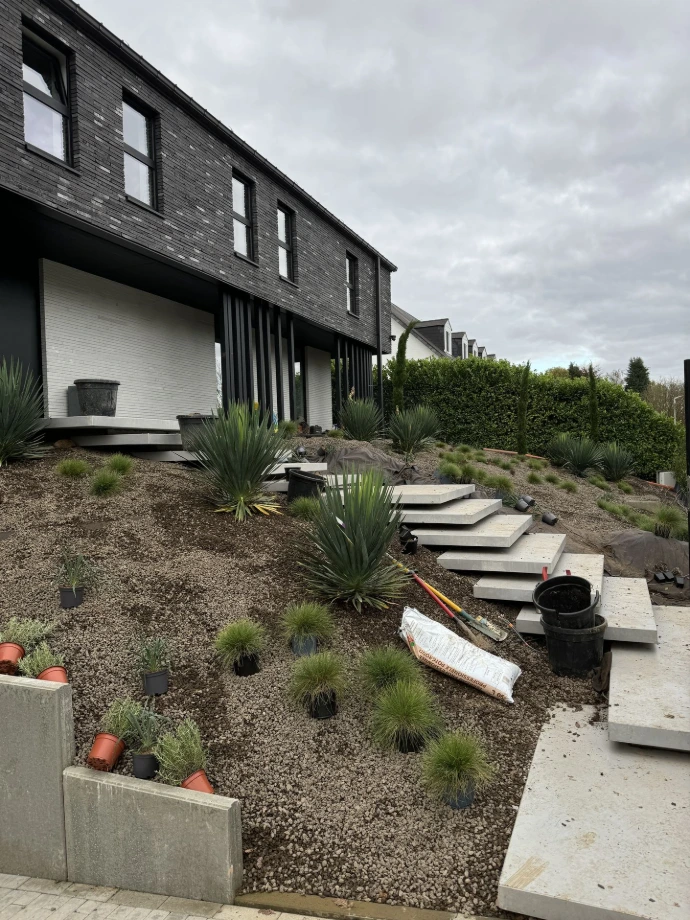
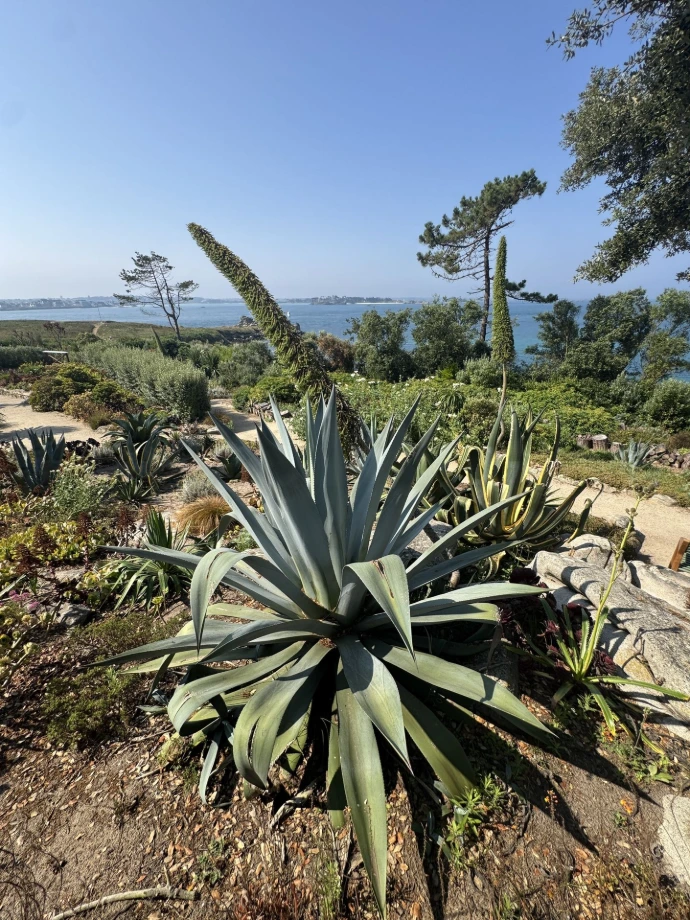
The mineral garden is inspired by dry and open environments, where soil, stone, and light structure the landscape.
It values simplicity and the clarity of spaces.
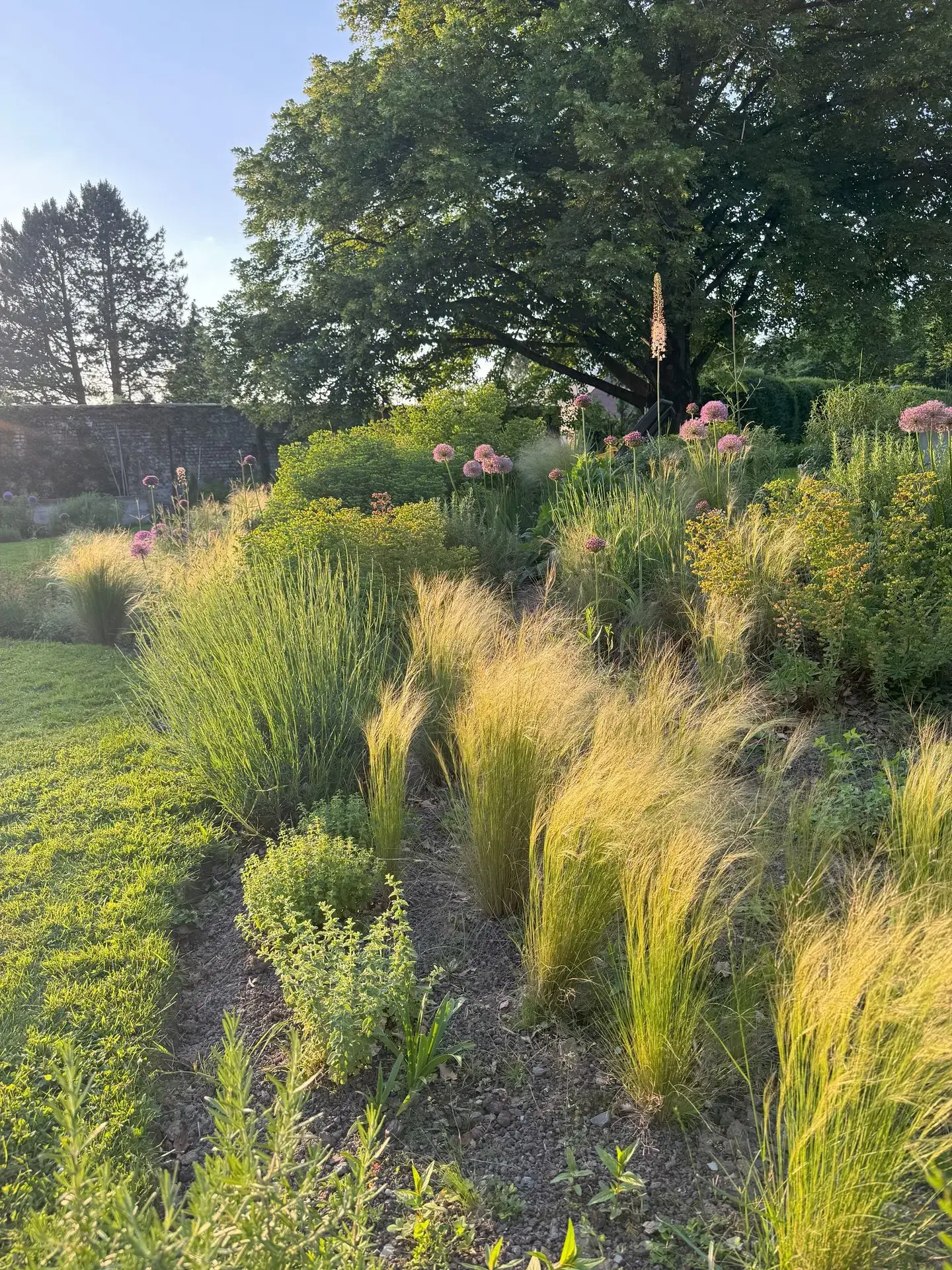
Gravel and plants: a balanced composition
Gravel forms a stable and draining base.
It is associated with resilient plants such as grasses, lavenders, spurges, or small structural shrubs.
A contemporary and sustainable style
Widely used in current landscaping, the mineral garden addresses issues of drought and reduced maintenance.
It integrates perfectly with modern architecture.
Exposure
Full sun to partial shade
Climate
Suitable for dry periods and hot summers
Soil
Very draining, poor to moderately fertile
Ideal exposure and conditions
This type of garden enhances existing soils and limits heavy interventions.
The colours of a mineral garden play on sobriety and light.
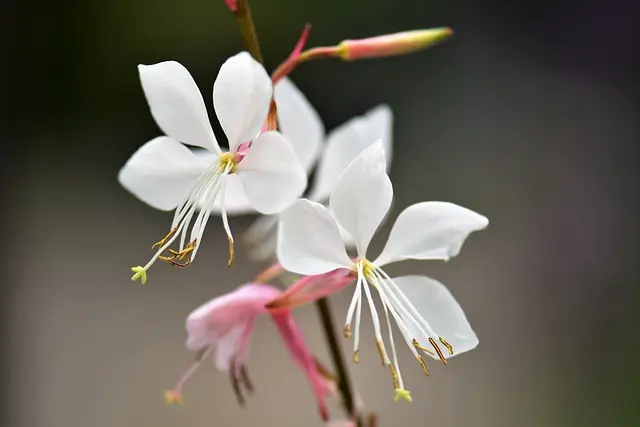
Shades of grey, beige, white, and silvery greens compose a soothing palette, punctuated by light blooms.
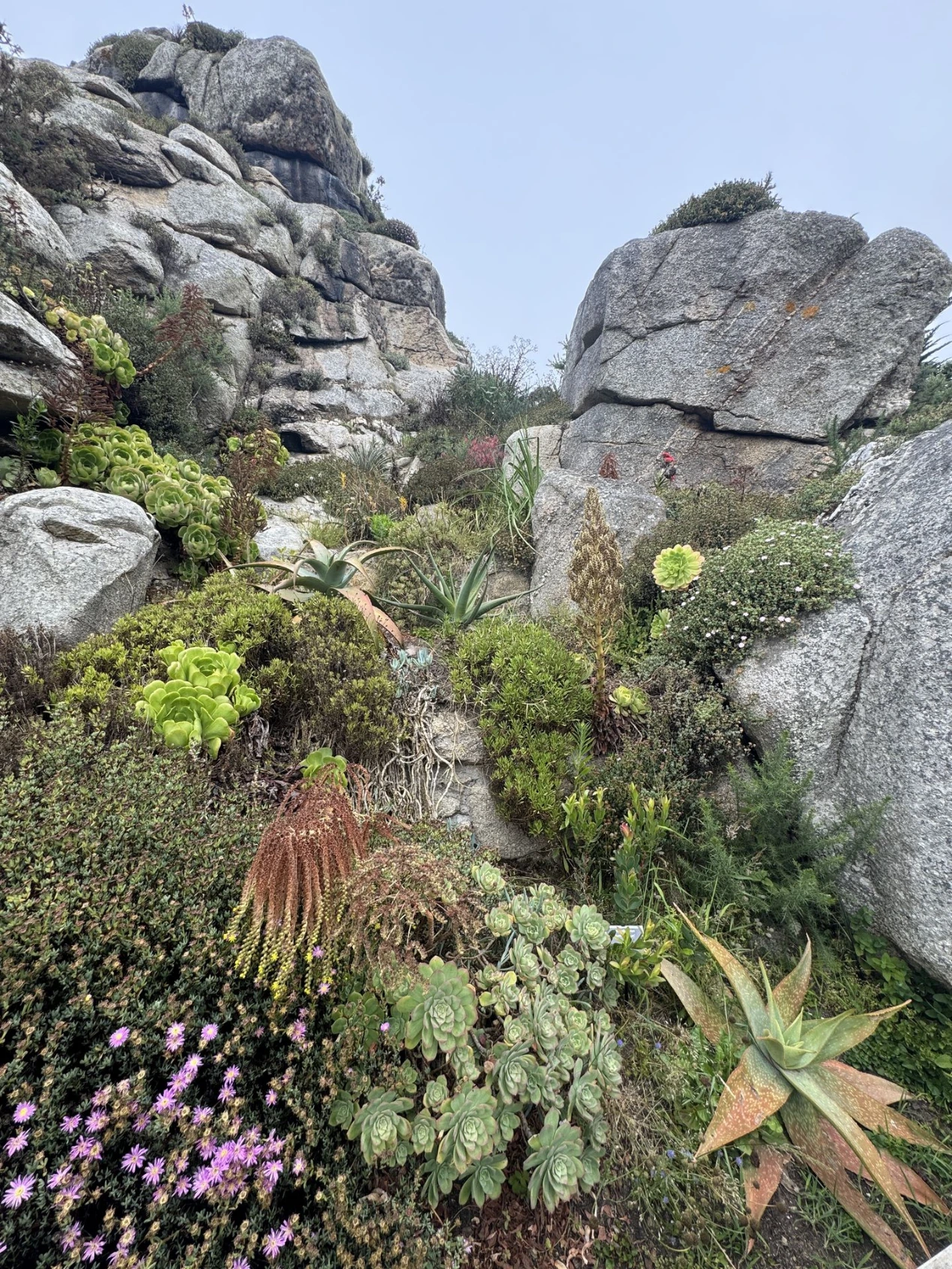
The gravel captures light and reveals each plant.
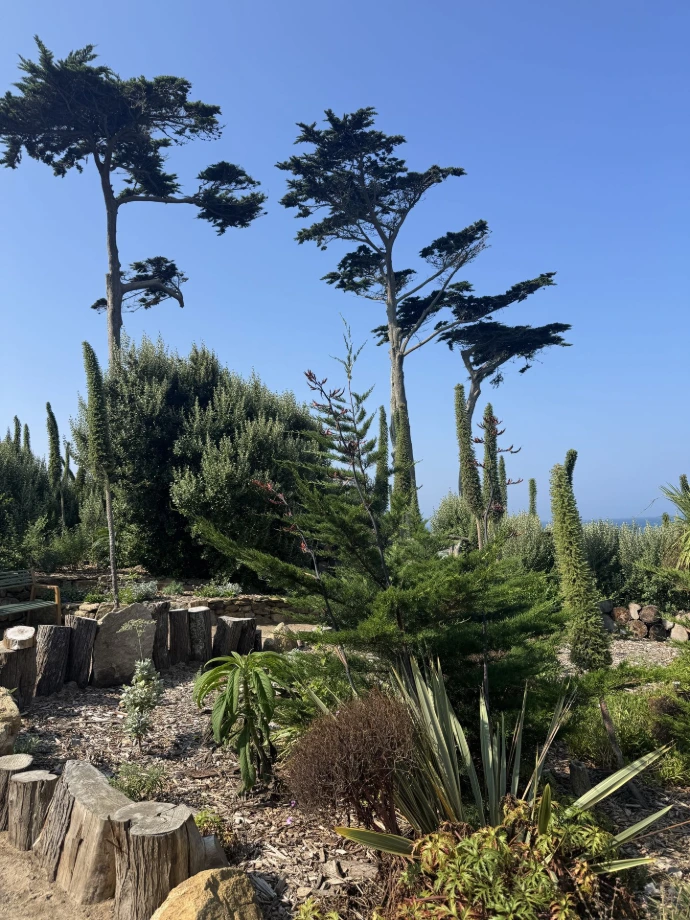
The volumes are clear, the contrasts are controlled, and the whole remains readable throughout the year.
A sustainable garden, designed to withstand time and climatic constraints.
A graphic and bright garden


Frequently Asked Questions
Yes. Once established, it requires little watering and limited maintenance.
It significantly limits them, especially with good soil preparation and suitable geotextile.
Yes, it helps to visually structure the space and make it more readable.