A garden inspired by Japan
Rooted in Japanese traditions, the zen garden conveys a refined vision of the landscape.
Each element is designed to create a simple and lasting harmony.
A sober and controlled composition
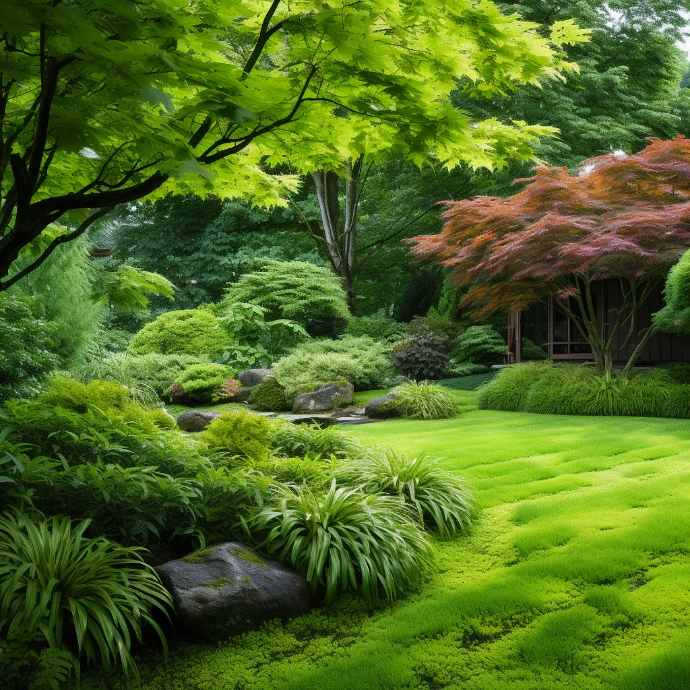
Maples, dwarf pines, mosses, and gravels structure the space with precision.
The volumes are balanced, the lines are clean, and every detail finds its place.
A contemporary art of living
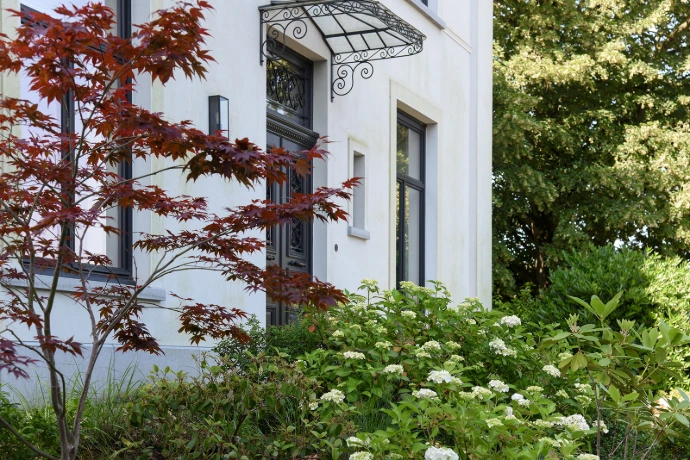
The zen garden integrates perfectly with current architectures.
It offers a calming contrast and a clear reading, without visual overload.
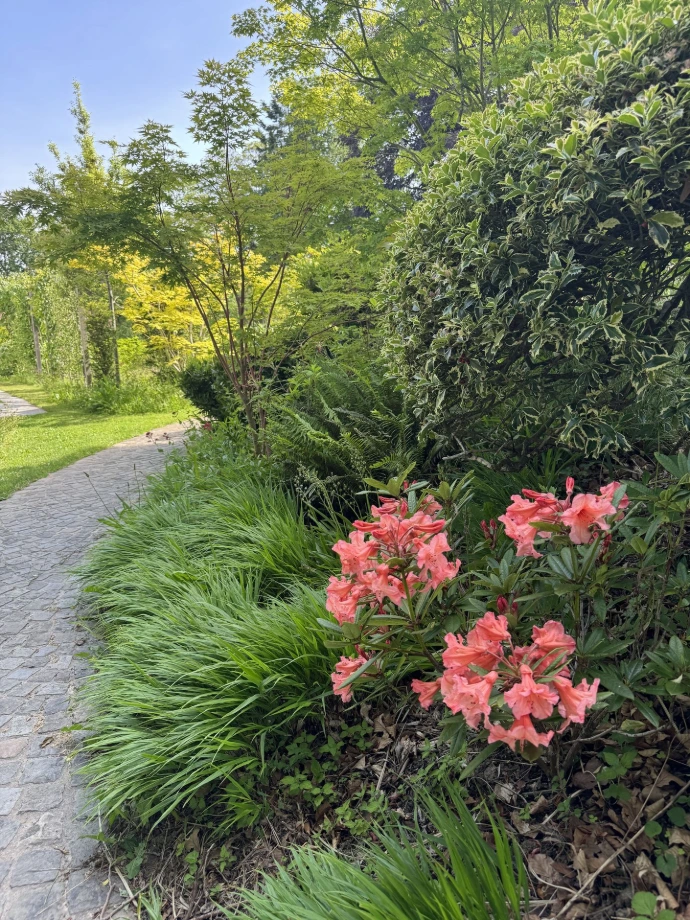
Exposure
Dappled shade to light shade, with soft and filtered light
Climate
Adapted to seasonal variations, with attention to wind and humidity
Soil
Drained, light, often enriched to accommodate mosses and maples
Ideal exposure and conditions
This type of garden enhances existing soils and limits heavy interventions.
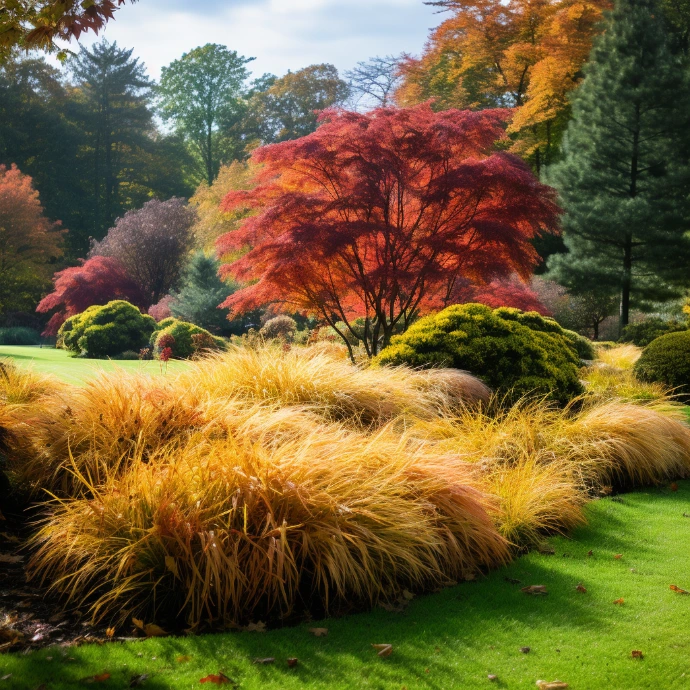
Zen Garden in October
The colours of a zen garden are deliberately subdued.
They vibrate with the light, transform through the seasons, and reveal the full depth of the landscape.
Thoughtfully designed, the plant palette creates a lasting harmony between plants, materials, and architecture.
Deep greens, shades of grey, touches of red or orange from the maples: each hue is chosen to create a calm and balanced atmosphere.
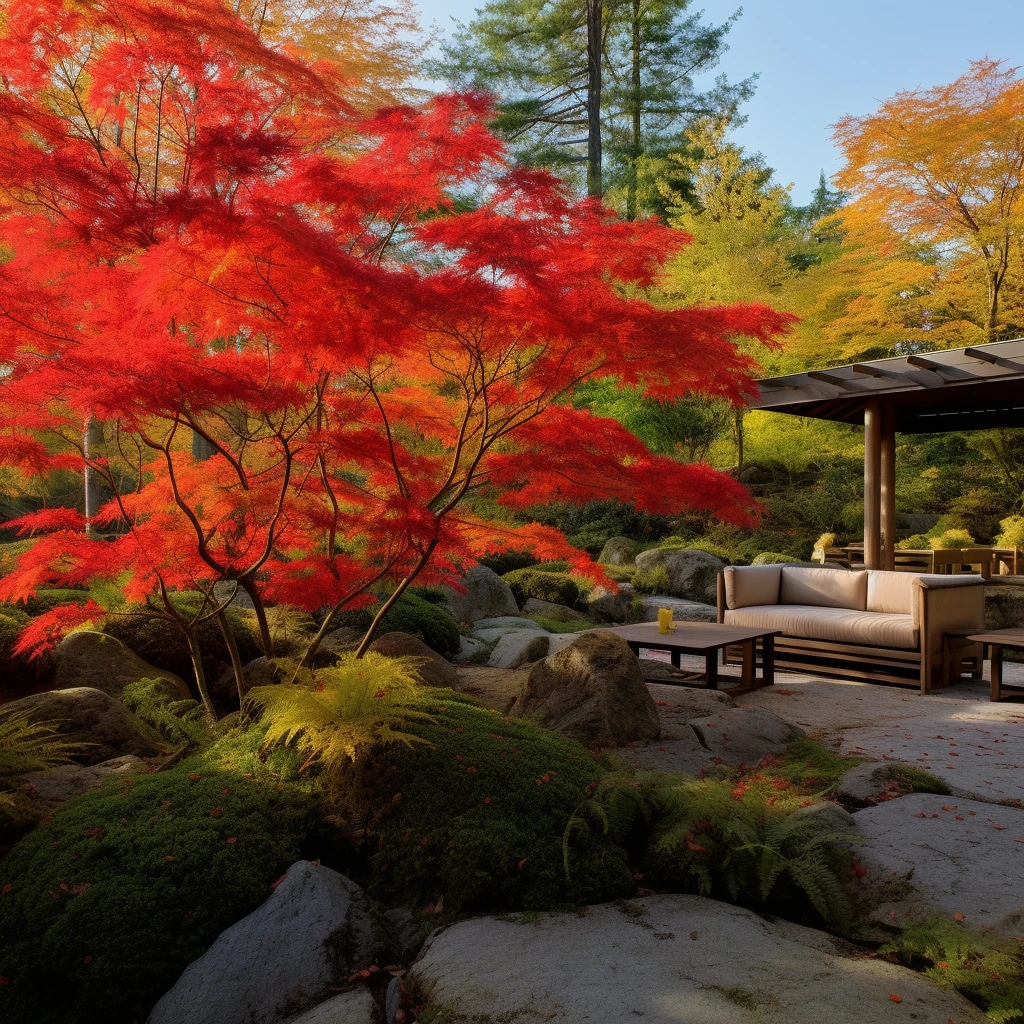
The zen garden plays with silence, material, and light.
The foliage evolves slowly, the moss settles in, the stones structure the space.
A subtle balance that traverses the seasons without ever losing its coherence.
A timeless garden

Frequently Asked Questions
No, but it requires regular attention to maintain its precision and balance.
Yes, by selecting suitable plants such as Japanese maples, pines, and certain mosses.
Very well. The zen garden works particularly well in compact spaces.
Yes, it is even a highly sought-after combination for its contrast between architecture and nature.